


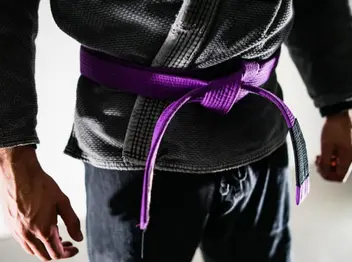
Understanding the BJJ Purple Belt in Brazilian Jiu-Jitsu
Brazilian Jiu-Jitsu is a martial art built on progression, patience, and real-world application. Unlike many combat sports, advancement is not based on memorizing forms or passing quick tests. Instead, BJJ purple belt and other Brazilian Jiu-Jitsu belts represent a practitioner’s ability to apply techniques effectively under pressure.
Within BJJ ranks, each belt marks a stage of technical, physical, and mental development. Among all jiu jitsu belts, the purple belt stands out as a turning point. It signals the shift from structured learning to true understanding, where practitioners begin expressing their own style and strategy rather than simply following instructions.
What Are Brazilian Jiu-Jitsu Belts
The Brazilian Jiu-Jitsu belt system is designed to measure practical skill, consistency, and long-term dedication. Belts are earned through years of training, live sparring, and continuous improvement rather than fixed exams.
Unlike many traditional martial arts where belt promotions follow a set timeline, jiu jitsu belts are awarded at the instructor’s discretion. Factors such as technical ability, performance against resisting opponents, competition experience, and overall mat behavior all play a role.
This system ensures that Brazilian Jiu-Jitsu belts maintain credibility and reflect real capability, not just time served.
Complete Breakdown of BJJ Ranks
Understanding the full structure of BJJ ranks helps put the purple belt into proper context.
White Belt Explained
The white belt is the entry point into Brazilian Jiu-Jitsu. At this level, students focus on survival, basic movements, and understanding fundamental positions. The main goal is learning how to stay safe, escape bad situations, and build awareness on the mats.
White belts are not expected to dominate but to learn patience and consistency, which form the foundation of all jiu jitsu belts.
Blue Belt Explained
The blue belt represents the intermediate stage. Practitioners now have a working understanding of core techniques, including guard passes, submissions, and positional control. They begin applying techniques with intent rather than reacting instinctively.
Within BJJ ranks, the blue belt is where many students either commit long term or drop out, making perseverance a key trait at this level.
Purple Belt Explained
The purple belt is widely considered the first advanced rank in Brazilian Jiu-Jitsu. At this stage, practitioners demonstrate technical independence, strong defense, and the ability to control the pace of a roll.
Purple belts are no longer learning techniques in isolation. They connect movements, anticipate reactions, and impose their game. This belt represents a deep understanding of Brazilian Jiu-Jitsu belts progression and strategy.
Brown Belt Explained
The brown belt is a refinement phase. Techniques are no longer broad; they are sharpened and optimized. Brown belts focus on eliminating weaknesses while perfecting their strongest positions.
In the hierarchy of BJJ ranks, brown belt prepares practitioners mentally and technically for black belt responsibility.
Black Belt Explained
The black belt symbolizes mastery of Brazilian Jiu-Jitsu fundamentals and advanced concepts. It reflects efficiency, control, and adaptability rather than aggression.
Among all jiu jitsu belts, the black belt also represents leadership, teaching ability, and contribution to the academy and community.
Coral Belt BJJ Explained
The coral belt BJJ rank is reserved for highly experienced black belts who have spent decades in the art. Typically awarded at the 7th and 8th degree levels, it represents technical knowledge, teaching legacy, and historical contribution.
Coral belts are guardians of Brazilian Jiu-Jitsu tradition and evolution.
Red Belt Explained
The red belt is the highest rank in Brazilian Jiu-Jitsu. It is awarded to grandmasters whose influence extends beyond technique into shaping the art itself.
Within all BJJ ranks, the red belt symbolizes lifetime dedication, respect, and preservation of Jiu-Jitsu values.
What Does a BJJ Purple Belt Really Mean
The BJJ purple belt represents the moment when Brazilian Jiu-Jitsu transitions from something you practice to something you understand. It signifies that a practitioner can analyze positions, adapt strategies, and solve problems independently.
At purple belt level, students demonstrate consistency across offense, defense, and transitions. They are capable of controlling lower belts and challenging higher belts through technique rather than strength.
Mentally, the purple belt marks confidence without ego. Practitioners understand their strengths, acknowledge weaknesses, and actively refine their game.
Technical Skills Expected at BJJ Purple Belt Level
A BJJ purple belt is expected to show high competence in multiple areas of Brazilian Jiu-Jitsu.
Guard control and transitions
Purple belts can play at least one guard at an advanced level and transition smoothly between positions while maintaining control.
Passing strategies
They understand pressure passing, movement-based passing, and how to adjust based on opponent reactions.
Submissions and setups
Submissions are set up through combinations rather than force. Purple belts create openings by threatening multiple attacks.
Defensive awareness and escapes
Strong defense is a hallmark of this rank. Purple belts remain calm under pressure and escape efficiently from bad positions.
These skills separate advanced practitioners from intermediate levels within jiu jitsu belts.
Mental Growth and Mindset of a Purple Belt
The mental evolution at purple belt is just as important as technical skill. Decision-making becomes proactive rather than reactive. Purple belts think several steps ahead and understand timing and leverage deeply.
Energy efficiency improves significantly. Movements are purposeful, and wasted effort is minimized. This composure allows purple belts to maintain control even during long, intense rounds.
Within BJJ ranks, the purple belt mindset reflects long-term thinking. Practitioners focus on sustainable growth, injury prevention, and refining technique rather than chasing quick wins.
How Long to Get Purple Belt BJJ
One of the most common questions in Brazilian Jiu-Jitsu is how long to get purple belt BJJ. While there is no fixed timeline, most practitioners reach purple belt after four to six years of consistent training.
Several factors influence promotion speed. Training frequency plays a major role. Athletes who train four to six times per week generally progress faster than those training occasionally. Quality of instruction, personal learning style, and competition experience also affect advancement. Injuries, work schedules, and life responsibilities can naturally extend the timeline.
Consistency matters more than intensity. Regular, focused training over several years is the most reliable path to earning a purple belt within the structure of Brazilian Jiu-Jitsu belts.
Purple Belt vs Blue Belt in Brazilian Jiu-Jitsu
The difference between blue and purple belt represents one of the biggest skill gaps in BJJ belts. While blue belts focus on applying learned techniques, purple belts dictate the pace and direction of exchanges.
Technically, purple belts connect movements more smoothly and recognize patterns faster. Tactically, they anticipate reactions instead of responding late. In live sparring, purple belts remain calm under pressure and control positions with efficiency rather than strength.
Within Brazilian Jiu-Jitsu belts, this transition reflects the shift from intermediate understanding to advanced execution.
Competition Expectations at Purple Belt Level
Competition at purple belt becomes more strategic and disciplined. Athletes are expected to understand rules thoroughly, manage time effectively, and adjust pace based on scoring situations.
Strategy and point management are critical. Purple belts know when to push the action, when to protect a lead, and when to transition to submissions without risking position. Matches often involve fewer mistakes and more calculated exchanges.
Common competition goals for purple belts include executing clean techniques, demonstrating positional dominance, and maintaining composure throughout the match. At this level, purple belt BJJ competition highlights efficiency over aggression.
Teaching and Leadership Role of a Purple Belt
A BJJ purple belt often begins taking on leadership responsibilities within the academy. While not full instructors, purple belts frequently assist beginners by explaining techniques, guiding drills, and helping new students understand mat etiquette.
This teaching role reinforces learning. Explaining concepts improves technical understanding and highlights gaps in knowledge. Purple belts also set the tone on the mats through discipline, respect, and work ethic.
Within jiu jitsu belts, the purple belt is viewed as a role model for lower ranks.
Common Mistakes Purple Belts Should Avoid
Despite their advanced status, purple belts still face challenges. One common mistake is overcomplicating techniques instead of refining fundamentals. Simplicity often produces better results at higher levels.
Neglecting foundational movements can slow progress. Purple belts must continue sharpening basics like posture, balance, and pressure. Another frequent issue is avoiding weak positions rather than addressing them directly.
Effective BJJ purple belt training involves embracing discomfort and consistently improving weaker areas.
Gear, Training Lifestyle, and Commitment at Purple Belt
At purple belt, practitioners become more selective about training quality. Recovery, conditioning, and injury prevention play a greater role in long-term progress. Many athletes also invest in durable, performance-focused equipment to support frequent training.
Reliable BJJ training gear enhances comfort and durability during intense sessions. Choosing trusted brands like Shapes Fight Wear reflects a commitment to consistent performance and longevity on the mats.
This stage represents a shift toward a sustainable BJJ lifestyle rather than short-term training goals.
Purple Belt as a Bridge to Brown and Black Belt
The purple belt serves as a critical bridge within BJJ ranks. Instead of learning endless new techniques, practitioners focus on refining a complete, efficient game.
This phase emphasizes precision, timing, and eliminating unnecessary movement. Purple belts build systems rather than isolated techniques, preparing themselves for the higher expectations of brown and black belt.
In terms of jiu jitsu belts progression, purple belt is where mastery begins to take shape.
The Long-Term Path Beyond Purple Belt
Beyond purple belt lies a deeper journey through brown belt, black belt, coral belt BJJ, and ultimately red belt. Each stage represents decades of dedication, teaching, and contribution to Brazilian Jiu-Jitsu.
While coral belt BJJ and red belt ranks may seem distant, the habits formed at purple belt level create the foundation for lifelong development within Brazilian Jiu-Jitsu belts.
Final Thoughts: Why the BJJ Purple Belt Matters
Understanding what does a BJJ purple belt mean reveals why this rank holds such respect. It represents technical independence, strategic thinking, and long-term commitment to Brazilian Jiu-Jitsu.
The purple belt is not the destination but the foundation of mastery. It marks the point where practitioners truly begin shaping their own Jiu-Jitsu. For those committed to growth, consistency, and discipline, the lessons learned at purple belt define everything that follows on the path through BJJ ranks and beyond.
FAQ’s:
How long does it take to get a BJJ purple belt?
Most practitioners earn a purple belt after four to six years of consistent training. The timeline depends on training frequency, quality of instruction, competition experience, and individual learning pace. There is no fixed promotion schedule in Brazilian Jiu-Jitsu.
Is a BJJ purple belt considered advanced?
Yes, the BJJ purple belt is widely considered the first advanced rank in Brazilian Jiu-Jitsu. At this level, practitioners demonstrate technical independence, strategic thinking, and the ability to control and adapt during live sparring.
What is the biggest difference between blue and purple belt in BJJ?
The main difference is control and strategy. Blue belts apply techniques they have learned, while purple belts dictate pace, anticipate reactions, and link techniques together smoothly. Purple belts rely more on timing and efficiency than strength.
Can a BJJ purple belt teach classes?
In many academies, a BJJ purple belt can assist with classes and help beginners under instructor supervision. While not typically head coaches, purple belts often play an important leadership role and contribute to the learning environment.