


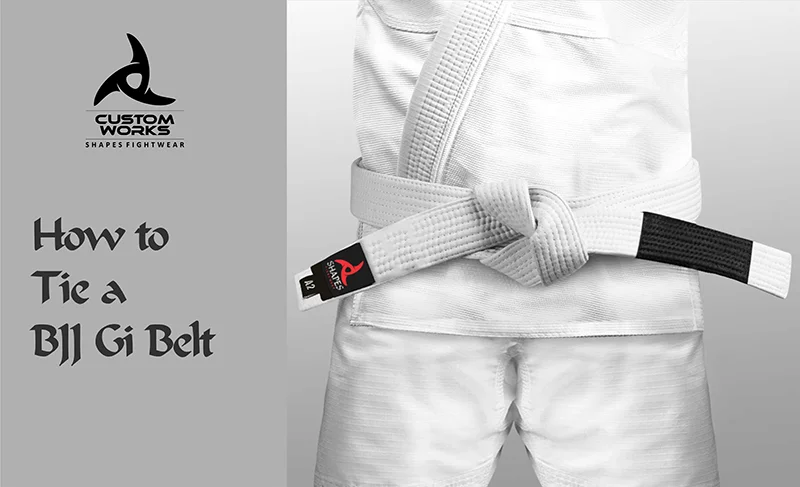
Tying your BJJ Gi belt the right way is one of the first skills every Brazilian Jiu-Jitsu student learns. It is part of the discipline, respect, and tradition of the art. Even though it looks simple, many beginners end up with loose knots, uneven belt ends, or belts that keep falling off during drilling or rolling. When you understand How to Tie a BJJ Gi belt properly, your Gi stays secure, you look clean on the mats, and you feel more confident during training.
This guide explains the most common belt tying methods used in BJJ academies. The steps are simple, easy to follow, and designed to help students tie a neat, tight knot that holds during training. The guide also includes tips for choosing the right belt, avoiding common mistakes, and picking high quality gear from ShapesFightwear.
Why Tying Your BJJ Belt Correctly Matters
A properly tied belt is more than just part of your uniform. It represents discipline, focus, and care for the martial art. Here are the main reasons it matters.
1. Shows Discipline and Respect
A neatly tied belt shows you take your training seriously. Coaches expect students to tie their belts correctly. It reflects respect for the academy, instructors, and teammates.
2. Keeps Your Gi in Place
A secure belt helps keep your jacket closed and comfortable during rolling. If your belt is tied loosely, the jacket opens constantly, which becomes distracting during technique practice.
3. Creates a Clean, Professional Appearance
A well-tied belt makes your Gi look neat and organized. This is especially important when you attend seminars, visit new gyms, or compete.
4. Builds Good Habits Early
Small technical habits matter in BJJ. Learning proper belt tying builds discipline and sets the tone for how you approach technique and improvement.
Most Common Belt Tying Styles
There are two standard ways to tie a BJJ belt. Both are widely accepted in academies and work well during training.
- Traditional knot
- Hollywood or Super Lock knot
The traditional method is simple and quick. The Hollywood knot takes slightly more effort but stays tighter for longer.
How to Tie a BJJ Gi Belt: Traditional Method
This is the method most beginners learn because it is simple and reliable.
Step 1: Find the Middle of the Belt
Fold the belt in half to find the center point. This ensures the ends finish evenly once tied.
Step 2: Place the Center on Your Stomach
Hold the middle of the belt against your stomach just below your belly button.
Step 3: Wrap Both Ends Around Your Waist
Take the two ends of the belt behind your back and wrap them around your waist until they return to the front.
Step 4: Keep the Belt Flat All the Way Around
Smooth out the belt and make sure it lies flat around your waist without twisting.
Step 5: Cross One End Over the Other
Take the right end and place it over the left end in front of your stomach.
Step 6: Pull the Top End Under Both Layers
Take the end that is on top and pass it underneath the two belt layers around your waist. Pull it up through the gap.
Step 7: Tie the Knot
Take the bottom end and cross it over the top end to begin forming the knot.
Step 8: Tighten the Belt
Pull both ends tightly to form a clean square knot. The ends should finish even and the knot should sit centered at your waist.
This method creates a clean, simple knot that works well for drilling and technique practice.
How to Tie a BJJ Gi Belt: Hollywood or Super Lock Method
The Hollywood method is popular for sparring and longer sessions because it stays tight longer than the traditional knot.
Step 1: Wrap the Belt Once Around Your Waist
Start by placing one end of the belt against your stomach. Wrap the other end around your waist until it returns to the front. Avoid crossing the belt behind your back.
Step 2: Cross the Two Ends in the Front
Place one end over the other in the same way as the traditional method.
Step 3: Pull the Top End Under the Belt Layers
Push the top end underneath all layers of the belt and pull it upward until it feels snug.
Step 4: Loop the Lower End Around the Belt Layer
Take the bottom end and wrap it around the belt layer in front. This creates a locking point.
Step 5: Tie a Square Knot
Tie the two ends together to finish the knot. Pull evenly so the knot sits clean and tight.
This method stays secure for much longer and is a favorite for rolling sessions.
Common Mistakes When Tying a BJJ Belt
Many beginners struggle with small issues that make the belt look messy or cause it to loosen quickly. Here are the common mistakes to avoid.
Uneven Belt Ends
This happens when the belt is not centered at the beginning. Always find the center before wrapping.
Twisted Belt Behind the Back
A twist causes discomfort and makes the belt sit unevenly. Keep the belt flat as you wrap it.
Loose Knot
If the knot is loose, it will fall apart quickly. Pull the belt firmly at each step to secure it.
Knot Facing the Wrong Direction
If the knot flips sideways, the belt becomes unstable. Make sure the knot forms a straight square shape.
How to Choose the Correct Belt Size
Choosing the right belt size makes tying much easier. BJJ belts usually follow standard Gi sizing such as A0, A1, A2, A3, A4, and A5. Each size fits a different height and weight range. ShapesFightwear designs belts that match standard BJJ sizing charts, making it simple for students to choose the correct fit.
A0 Belt Size
Best for smaller or lightweight practitioners. Ideal for students who need a shorter belt length that ties neatly without extra hanging.
A1 Belt Size
Great for athletes with a lean or compact build. Provides a balanced belt length that stays secure during training.
A2 Belt Size
Suitable for average height and medium build students. This size offers a comfortable wrap and ties easily with even ends.
A3 Belt Size
Designed for taller or broader practitioners. Gives enough length for clean wrapping while staying firm during rolling.
A4 Belt Size
Works well for larger athletes who need more belt length for proper wrapping. Ensures the knot stays centered and stable.
A5 Belt Size
Best for extra tall or bigger body types. Offers extended length to tie a clean, tight knot without feeling too short.
Why Good Gear Helps Your Belt Stay Tied
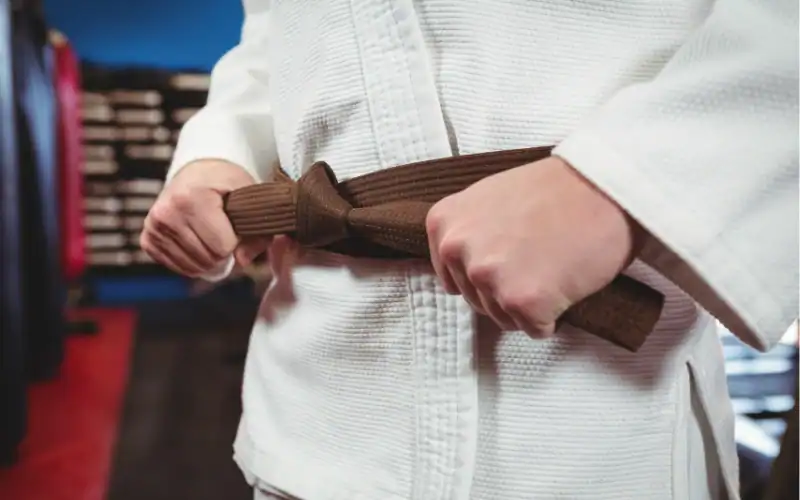
High quality belts tie more easily and hold knots better. A stiff or low-quality belt tends to come undone quickly and feels uncomfortable on the waist. A soft, flexible cotton belt makes tying smoother and helps the knot sit securely.
ShapesFightwear belts are made with strong cotton that feels comfortable, ties neatly, and stays tight during training. They are built for durability and long-lasting use, which helps students train with confidence.
Why ShapesFightwear Is a Trusted Choice
Training with dependable gear makes every session better. ShapesFightwear offers belts and Gis designed for comfort, durability, and stability during both drilling and rolling.
Strong and Comfortable Gis
Made with high quality materials that feel good and last long.
Premium Cotton Belts
Soft, flexible, and easy to tie with clean knots.
Competition Ready Options
Ideal for students planning to test their skills in formal environments.
Made for Beginners and Experienced Students
Suitable for daily training, sparring, and technique practice.
If you want a belt that stays tied and a Gi built for performance, ShapesFightwear delivers reliable gear for every level.
Tips to Keep Your Belt Secure During Training
These simple tips help your belt stay tied longer during rolling.
- Use the Hollywood knot for sparring
- Make sure the belt is flat before tying
- Tie the knot slightly lower on the waist for better grip
- Pull the knot tight at the final step
- Choose a belt made from soft, durable cotton
Following these steps makes your belt easier to manage and reduces constant retying during class.
Conclusion
Learning how to tie a BJJ Gi belt correctly is an important part of Brazilian Jiu-Jitsu. It helps your Gi stay secure, keeps you focused on technique, and reflects discipline and respect. The traditional method and the Hollywood method both work well once you practice them. With consistent effort, the process becomes quick and natural.
Quality matters too. A well-made belt is easier to tie and stays secure longer. ShapesFightwear provides dependable Gis and belts that support strong performance on the mats. With good technique and good gear, tying your belt becomes simple, clean, and reliable for every training session.
FAQs
1. What is the easiest way to tie a BJJ Gi belt?
The traditional method is the easiest. Start by finding the center of the belt, wrap it around your waist, cross the ends, and tie a clean square knot.
2. What is the Hollywood knot in BJJ?
The Hollywood knot adds an extra loop before tying the square knot. It stays tighter for longer and is often used during rolling sessions.
3. Why does my BJJ belt keep coming loose?
Loose knots happen when the belt is not pulled tight enough or when the belt is stiff. Using a soft cotton belt from ShapesFightwear helps it stay secure.
4. How long should the ends of my BJJ belt be?
Both ends should be even and reach around mid-thigh. If the ends are too long or too short, you may be using the wrong belt size.
5. What belt size should I use for BJJ?
Most belts follow sizes like A1, A2, A3, and A4. Choose the size that matches your Gi size for the best fit and easiest tying.
6. Does belt material affect how well it stays tied?
Yes. Soft, flexible cotton belts create tighter, cleaner knots. High quality belts from ShapesFightwear hold better during training.