


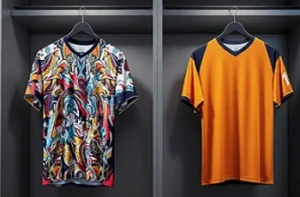
Sublimatie versus zeefdruk: welke is het beste voor teamuniformen?
Understanding the Difference Between Sublimation and Screen Printing
Choosing the right printing method for team uniforms is more important than many teams realize. Whether you’re outfitting a professional sports team, a school club, an esports squad, or a local organization, the way your uniforms are printed directly affects durability, comfort, appearance, and long-term value. A uniform isn’t just clothing, it represents team identity, branding, and unity.
When uniforms are worn repeatedly during training sessions, competitive matches, and frequent washes, poor printing choices can lead to cracking logos, fading colors, and uncomfortable textures. This not only impacts the visual appeal of the uniform but can also affect athlete confidence and performance.
Two of the most popular and widely used printing methods today are sublimation printing and screen printing. Each technique has its own strengths, limitations, and ideal use cases. Understanding the differences between sublimation vs screen printing helps teams make an informed decision that aligns with their sport, budget, fabric choice, and design needs.
In this guide, we’ll break down how each method works, compare performance and durability, and help you determine the best printing method for team uniforms based on real-world use.
What Is Sublimation Printing?
Sublimation printing is a modern apparel printing technique where dye is permanently infused into the fabric rather than applied on top of it. Unlike traditional surface-level printing methods, sublimation creates prints that become part of the garment itself.
How Sublimation Printing Works
The sublimation process relies on a combination of heat, pressure, and dye sublimation ink:
- A design is printed onto special sublimation transfer paper using dye sublimation ink.
- The printed paper is placed on polyester fabric.
- A heat press applies high heat and pressure.
- The ink turns into gas and bonds directly with the polyester fibers.
- Once cooled, the ink solidifies inside the fabric permanently.
Because the dye integrates at a molecular level, sublimated designs do not crack, peel, or fade, even after years of use.
Types of Apparel Suitable for Sublimation
Sublimation printing works best on:
- 100% polyester fabrics
- Polyester blends with high synthetic content
- Moisture-wicking performance fabrics
It does not work on cotton or dark-colored garments, as the process requires light-colored polyester material.
Common Use Cases for Sublimation
Due to its durability and design flexibility, sublimation is commonly used for:
- Sports jerseys (soccer, basketball, MMA, wrestling)
- Fightwear and combat sports apparel
- Esports uniforms
- Running shirts and cycling kits
- Custom athletic uniforms with full-color designs
What Is Screen Printing?
Screen printing, also known as silkscreen printing, is one of the oldest and most widely used apparel printing methods. It involves applying ink directly onto the surface of the fabric through a mesh screen.
How Screen Printing Works (Step-by-Step)
- A stencil (design) is created for each color.
- The stencil is applied to a screen mesh.
- Ink is pushed through the mesh onto the fabric.
- Each color is applied separately.
- The garment is cured using heat to set the ink.
Because each color requires its own screen, screen printing works best for simple, bold designs with fewer colors.
Types of Inks Used in Screen Printing
The most common inks include:
- Plastisol ink – durable, vibrant, and widely used
- Water-based ink – softer feel, more eco-friendly, less opaque
Each ink type affects the feel, longevity, and breathability of the printed garment.
Common Fabrics for Screen Printing
Screen printing is versatile and works well on:
- Katoen
- Cotton-poly blends
- Polyester
- Fleece and hoodies
However, the ink remains on the surface of the fabric, which can affect comfort and durability over time.
Advantages of Screen Printing
- Cost-effective for bulk orders
- Works on many fabric types
- Bright, solid colors
Limitations of Screen Printing
- Ink can crack or peel over time
- Limited color gradients
- Less breathable compared to sublimation
Sublimation vs Screen Printing: Key Differences
When comparing sublimation vs screen printing, the biggest differences lie in how the ink interacts with the fabric, what materials can be used, and how much design freedom each method offers. These differences play a major role in determining which option is best for team uniforms.
Overview Comparison of Both Methods
- Sublimation printing embeds the ink into the fabric fibers, creating a permanent, breathable design.
- Screen printing applies ink on top of the fabric, forming a visible and tactile layer.
This fundamental difference impacts durability, comfort, and long-term performance.
Fabric Compatibility Differences
Sublimation printing is limited to polyester fabric and light-colored garments, while screen printing works on a broader range of materials, including cotton, blends, and polyester. Teams using performance athletic wear often lean toward sublimation, while casual or promotional uniforms may favor screen printing.
Design Limitations & Flexibility
Sublimation allows for unlimited colors, gradients, and edge-to-edge designs. Screen printing, while bold and vibrant, becomes restrictive when designs include multiple colors or complex artwork.
Quick Comparison : Sublimation vs Screen Printing Basics
| Functie | Sublimation Printing | Screen Printing |
| Fabric Type | Polyester only | Cotton, blends, polyester |
| Print Feel | No texture | Slightly raised |
| Color Range | Unlimited | Limited by screens |
| Design Coverage | Full garment | Limited areas |
Durability Comparison: Sublimation vs Screen Printing
Durability is one of the most important factors when selecting the best printing method for team uniforms. Sports uniforms experience constant stretching, sweat exposure, and repeated washing.
Sublimation Printing Durability
With sublimation, the ink becomes part of the fabric itself rather than sitting on top. This makes it one of the most long-lasting uniform printing methods available.
Key durability advantages:
- No cracking or peeling
- Colors remain vibrant for years
- Resistant to heavy washing and friction
- Ideal for high-impact, high-wash sports
Because there is no ink layer, sublimated uniforms maintain their original look even after hundreds of washes.
Screen Printing Durability
Screen printing durability depends heavily on ink quality, curing process, and garment care. Since the ink sits on the surface of the fabric, it is more vulnerable to wear.
Potential durability issues:
- Cracking over time
- Peeling if improperly cured
- Fading with frequent washing
While high-quality plastisol ink can be durable, it rarely matches the longevity of sublimation for athletic use.
Quick Comparison : Durability Breakdown
| Durability Factor | Sublimation | Screen Printing |
| Cracking | Never | Possible |
| Peeling | Nee | Ja |
| Wash Resistance | Excellent | Moderate |
| Long-Term Use | Best | Good |
Comfort & Performance for Team Uniforms
Comfort directly impacts athlete performance, especially in competitive environments.
Breathability Comparison
Sublimation printing preserves the natural breathability of moisture-wicking fabric. Because no ink layer blocks airflow, athletes stay cooler during intense activity. Screen printing can reduce breathability, especially with thick ink applications.
Weight & Flexibility
- Sublimated uniforms feel lightweight and flexible
- Screen printed designs can feel heavier and stiffer
Athlete Performance Considerations
For sports requiring speed, endurance, and flexibility, sublimation is superior for athletic performance wear.
Design Freedom & Customization
Customization is essential for team branding and identity.
Full-Color Graphics & Gradients
Sublimation supports:
- Unlimited colors
- Photo-quality images
- Seam-to-seam designs
Logos, Numbers & Player Names
Both methods can apply names and numbers, but sublimation integrates them seamlessly into the fabric.
Best Use Cases
- Sublimation: Complex designs, gradients, patterns
- Screen printing: Simple logos, bold text
Cost Comparison: Which Is More Budget-Friendly?
Cost depends on order size and design complexity.
Initial Setup Costs
Screen printing requires multiple screens, increasing upfront costs. Sublimation requires minimal setup.
Cost per Unit
- Small orders → Sublimation is more affordable
- Bulk orders → Screen printing becomes cheaper
Long-Term Value
Although sublimation may cost slightly more per unit in bulk, its durability often delivers better long-term value.
Quick Comparison Table #3: Cost Analysis
| Cost Factor | Sublimation | Screen Printing |
| Setup Cost | Low | High |
| Small Orders | Affordable | Expensive |
| Bulkbestellingen | Moderate | Cheaper |
Best Printing Method by Team Type
Youth Sports Teams
Sublimation is ideal due to durability and comfort.
Professional Teams
Most professionals choose sublimation for performance, branding, and longevity.
Martial Arts & Fightwear
High-impact sports require ultra-durable gear. Brands like shapesfightwear rely on sublimation for fight shorts, rash guards, and training apparel.
School & Corporate Teams
Screen printing works well for budget-friendly bulk apparel.
Environmental Impact
Eco-Friendly Aspects of Sublimation
- No excess ink waste
- Minimal water usage
- Long-lasting garments reduce replacement frequency
Ink Waste in Screen Printing
Traditional screen printing generates leftover ink and requires water for cleanup, though water-based inks offer a more eco-conscious alternative.
Care & Maintenance of Printed Uniforms
Sublimated Uniform Care
- Wash cold
- No special precautions needed
- Design never fades or cracks
Screen Printed Garment Care
- Wash inside out
- Avoid high heat
- Gentle detergents recommended
Proper care can extend lifespan, especially for screen-printed uniforms.
Pros and Cons Summary
Quick Comparison: Pros & Cons
| Method | Pros | Cons |
| Sublimation | Ultra-durable, breathable, vibrant | Polyester only |
| Screen Printing | Affordable in bulk, versatile fabrics | Less durable |
Final Verdict: Sublimation vs Screen Printing – Which Is Best for Team Uniforms?
Choosing between sublimation and screen printing ultimately depends on your team’s priorities. If durability, performance, comfort, and creative freedom are most important, sublimation printing is the clear winner. Its fade-proof, crack-free designs and breathable finish make it ideal for sports uniforms that face intense wear and frequent washing.
On the other hand, screen printing remains a practical solution for teams working with tight budgets or ordering large quantities with simple, bold designs. Both methods have their place, but selecting the right one ensures your team uniforms look great, perform well, and last longer.
FAQs:
Which lasts longer, sublimation or screen printing?
Sublimation lasts longer because the ink becomes part of the fabric rather than sitting on top, so it won’t crack, peel, or fade even after repeated washing.
Is sublimation better for sports jerseys?
Yes. Sublimation is ideal for sports jerseys because it works perfectly with performance and moisture-wicking fabrics, keeping uniforms lightweight and breathable.
Can sublimation fade over time?
No. With proper care, sublimated designs remain vibrant and do not fade, as the dye is permanently bonded to the fabric fibers.
Is screen printing good for team uniforms?
Yes. Screen printing is a good option for team uniforms, especially for cotton fabrics and large bulk orders featuring simple, bold designs.