


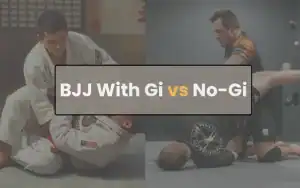
BJJ con kimono vs. sin kimono: Diferencias clave que todo principiante debe conocer
El Jiu Jitsu Brasileño ha ganado mucha popularidad, y una de las primeras preguntas que se hacen los nuevos estudiantes es si deben entrenar con o sin gi. Ambos estilos ayudan a desarrollar habilidades reales, ganar confianza y mejorar la condición física, pero la experiencia de entrenamiento es muy diferente. Comprender cómo funciona cada estilo te ayudará a comenzar tu camino con claridad y confianza.
El Jiu Jitsu Brasileño ha ganado mucha popularidad, y una de las primeras preguntas que se hacen los nuevos estudiantes es si deben entrenar con o sin gi. Ambos estilos ayudan a desarrollar habilidades reales, ganar confianza y mejorar la condición física, pero la experiencia de entrenamiento es muy diferente. Comprender cómo funciona cada estilo te ayudará a comenzar tu camino con claridad y confianza.
¿Qué hace que el BJJ sin gi sea diferente del BJJ con gi?
La principal diferencia radica en la vestimenta. El BJJ con kimono y sin kimono muestra cómo el equipo afecta el entrenamiento. El BJJ con kimono usa un kimono tradicional que permite sujetar las mangas, cuellos y pantalones para mayor control. El sin kimono usa rash guards y pantalones cortos, lo que elimina por completo las sujeciones de tela.
Estos cambios afectan a cada parte del entrenamiento:
- Ritmo general
- Opciones de envío
- Cómo controlas a tu pareja
- El tipo de guardia que juegas
- Cómo defender barridos y pases
El No-Gi se siente más rápido y más resbaladizo, mientras que el BJJ con gi es más lento y está más centrado en la lucha por el agarre y la estrategia.
¿Cuál es la diferencia entre Jiu Jitsu Gi y No-Gi?
Aquí están las diferencias más importantes para principiantes:
1. Agarres
- Soldado americano: Podrás coger cuellos, mangas, pantalones y cinturones.
- No-Gi: Confías en los ganchos inferiores, los lazos de muñeca, el control de la cabeza y los bloqueos del cuerpo.
2. Ritmo
- Soldado americano: Más técnica y controlada.
- No-Gi: Rápido, atlético y con mucha potencia.
3. Técnicas
- Soldado americano: Estranguladores de cuello, protectores de solapa, protector de araña.
- No-Gi: Llaves de piernas, guillotinas, ataques con llave de cabeza frontal, pases con llave de cuerpo.
4. Ropa
- Soldado americano: Chaqueta y pantalón.
- No-Gi: Pantalones cortos tipo rash guard y de lucha.
5. Escenarios realistas
- Soldado americano: 5. Escenarios realistas
- No-Gi: Similar al MMA o al resbaladizo grappling del mundo real.
Jiu Jitsu con kimono y sin kimono: comparación directa
| Característica | Gi BJJ | BJJ sin kimono |
| Puños | Control de cuello y mangas | Cerraduras de cuerpo, ganchos inferiores, ataduras de muñecas |
| Velocidad | Más lenta y estratégica | Rápida y explosiva |
| 3. Técnicas | Collares de estrangulamiento, protección contra arañas | Llaves de piernas, guillotinas, Darce |
| La mejor para | Aprendices técnicas | Deportistas, centradas en MMA |
| Ropa | Uniforme Gi | Rashguard, pantalones cortos |
¿Quién se beneficia más del Jiu Jitsu sin kimono?
No-Gi es ideal para:
- Luchadoras que quieren ampliar su juego en tierra.
- Estudiantes de MMA preparándose para la competencia
- Atletas que disfrutan del movimiento rápido
- Estudiantes interesados en sistemas modernos de bloqueo de piernas.
- Personas que prefieren mayor cardio e intensidad.
No-Gi recompensa las reacciones rápidas, la velocidad y la coordinación.
¿Cuándo deberías empezar a practicar BJJ sin kimono?
Puedes empezar No-Gi at any time, even on day one.
Algunas entrenadoras recomiendan entrenar. BJJ con gi Durante unos meses primero, porque el ritmo más lento y la estructura más fuerte ayudan a los principiantes a:
- Entender las posiciones
- Construir equilibrio
- Aprender marcos
- Desarrollar una mejor defensa
Pero si tu escuela ofrece conocimientos básicos de No-Gi, comenzar directamente en No-Gi está perfectamente bien.
¿Dónde puedes aprender Jiu Jitsu sin Gi cerca de ti?
La mayoría de las academias de EE.UU. ofrecen:
- Conceptos básicos de No-Gi
- Sesiones avanzadas sin gi
- Horarios híbridos
- Clases de lucha de MMA
Buscar:
- No-Gi Jiu Jitsu near me
- Clases de BJJ sin kimono
- Gimnasios de grappling cerca de mí
Busque instalaciones limpias, instructores calificados, buenas críticas y programas para principiantes.
¿Por qué algunos estudiantes eligen Gi y otros no?
Los estudiantes eligen cada estilo en función de sus objetivos personales:
Por qué las estudiantes eligen Gi
- Quieren un desarrollo técnico profundo.
- La lucha por el agarre ayuda a disminuir el ritmo.
- Gi construye fundamentos sólidos.
- Apoya los valores de las artes marciales tradicionales.
- Muchos principiantes encuentran que el BJJ con gi es más fácil para el control posicional.
Por qué las estudiantes eligen No-Gi
- Ritmo más rápido y movimiento atlético.
- Ideal para entrenamiento cruzado de MMA y lucha libre.
- Estilos de sumisión modernos como llaves de piernas.
- Realista para escenarios de lucha del mundo real.
- Popular entre los atletas de competición.
¿En qué se diferencian las técnicas entre No-Gi y Gi?
Técnicas de Gi
Las técnicas basadas en Gi dependen del tejido:
- Estrangulamiento de collar cruzado
- Estrangulador de bucle
- Estrangulamiento de arco y flecha
- Guardia de araña
- Guardia de lazo
- protectores de solapa
Estos sistemas son exclusivos del BJJ con gi y ofrecen una profundidad infinita.
Técnicas sin gi
Las técnicas No-Gi se centran en la conexión corporal:
- Estrangulador de guillotina
- Sistemas de trampas Kimura
- Ganchos de talón y enredos en las piernas
- Darce y Anaconda se ahogan
- Pasando el bloqueo del cuerpo
- Revueltas al estilo de lucha libre
En No-Gi debes confiar en la presión, los ángulos y el tiempo en lugar del control de la ropa.
¿Con qué frecuencia debes entrenar No-Gi?
He aquí una guía sencilla:
Principiantes
2 a 3 sesiones por semana
Esto desarrolla comodidad y técnica sin abrumarte.
Alumnas intermedias
3 a 4 sesiones por semana
Competidoras
5 a 6 sesiones por semana más acondicionamiento
Muchos atletas competitivos combinan No-Gi con BJJ con gi para obtener un conjunto de habilidades más completo.
¿Qué puedes esperar de tu primera clase sin GI?
Tu primera clase sin gi será dinámica, amigable y enfocada en lo básico. Puedes esperar:
- Un calentamiento con ejercicios de camarones, estiramientos y movimientos.
- Aprendiendo agarres como ganchos inferiores y control de cabeza
- Una lección de técnica como guillotina, media guardia o control de espalda.
- Derribos de perforación de lucha libre
- Rodaje ligero según tu nivel de comodidad.
Usa una rash guard, pantalones cortos sin bolsillos, trae agua y prepárate para sudar. Las clases sin gi avanzan rápido, pero los principiantes siempre son bienvenidos con paciencia.
Beneficios del entrenamiento en Gi BJJ
Entrenar BJJ con gi ofrece importantes beneficios a largo plazo:
- Desarrolla fundamentos sólidos y conciencia posicional.
- Disminuye el ritmo, lo que facilita el aprendizaje para los principiantes.
- Mejora la fuerza de agarre
- Ayuda a afinar la técnica y el ritmo.
- Fomenta la estrategia y la resolución de problemas.
- Admite clasificación y progresión tradicionales.
- Mejora las habilidades defensivas debido a la fricción y los agarres.
Muchos instructores creen que el BJJ con gi construye la base más completa.
Beneficios del entrenamiento en BJJ sin kimono
El entrenamiento No-Gi también proporciona poderosas ventajas:
- Mejora el cardio y el acondicionamiento.
- Desarrolla reflejos rápidos y tiempo de reacción.
- Mejora la capacidad de lucha libre.
- Ayuda con la preparación para MMA
- Fortalece los sistemas de pases con bloqueo corporal y bloqueo de piernas.
- Se asemeja más a la lucha del mundo real
- Crea movimiento explosivo y atletismo.
No-Gi es el estilo que define la competición moderna en todo el mundo.
BJJ como arte marcial y estilo de vida
Ya sea que entrenes BJJ con kimono, sin kimono o ambos, los cambios en tu estilo de vida son reales. Los estudiantes obtienen:
- Mejor estado físico
- Confianza
- Fortaleza mental
- Alivio del estrés
- Disciplina
- Habilidades para resolver problemas
- Una comunidad solidaria
El BJJ se convierte en más que un deporte. Se convierte en un camino a largo plazo para el crecimiento y el desarrollo.
Reflexiones finales
La verdad es simple. Ambos estilos son valiosos. Elige el BJJ con kimono si buscas fundamentos, técnica y estructura sólidos. Elige sin kimono si disfrutas de la velocidad, el movimiento atlético y las sumisiones modernas. Si es posible, entrena ambos. Esto te permitirá alcanzar la versión más completa de tu grappling.
EnShapes FightwearCreemos que cada practicante debe encontrar el estilo que lo mantenga motivado para presentarse, aprender y crecer. El equipo y la mentalidad adecuados marcan la diferencia en tu...Brazilian Jiu Jitsu viaje.