


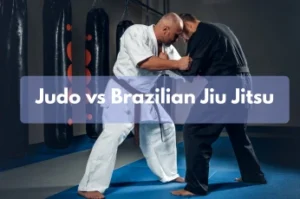
Judo vs brasileña Jiu Jitsu: ¿Qué arte marcial es mejor para ti?
Judo vs Brazilian Jiu Jitsu: Key Differences
If you’re deciding between Judo vs Brazilian Jiu Jitsu, you’re not alone. These world‑renowned grappling martial arts both offer benefits for self‑defense, competition, and overall fitness. This guide breaks down key differences, training focus, and how each art fits your goals.
Whether you aim to train for martial arts training, compete in grappling tournaments, or improve your self defense skills, understanding how Judo and BJJ compare will help you make an informed choice.
And if you train regularly, gear like performance gis, rashguards, and belts from shapesfightwear can elevate your comfort and performance on the mats.
What Is Judo
Judo is a grappling sport and martial art centered on throws, takedowns, balance, and leverage. In Judo classes you practice techniques designed to dominate an opponent from a standing position, using dynamic movement and timing rather than brute strength.
Key components of Judo include:
- Standing throws and takedowns
- Balance breaking and grip fighting
- Pins and controlled ne‑waza (ground techniques)
- A strong emphasis on randori (live sparring)
Judo practitioners, known as judoka, learn how to apply efficient body mechanics to off‑balance and throw opponents with precision. Judo’s competition model rewards clean techniques and control, with judoka often scoring victories through powerful throws or decisive control on the ground.
What Is Brazilian Jiu Jitsu (BJJ)?
Brazilian Jiu Jitsu is a grappling art that specializes in ground fighting, positional control, and submission techniques. Unlike Judo’s focus on throws, BJJ teaches you how to navigate a fight once it hits the ground, making ground fighting strategy a core part of training.
Key elements in BJJ include:
- Guard positions and sweeps
- Positional control like mount and back control
- Submissions such as armbars, triangle chokes, and chokeholds
- Frequent rolling (live sparring) sessions
Students of BJJ often wear a Brazilian jiu‑jitsu gi, a tailored uniform that supports gripping and leverage during ground exchanges, though no‑gi BJJ training in rashguards and shorts is also very common.
Fundamental Technique Differences: Throws vs Ground Grappling
The central technical distinction between the two martial arts lies in where most of the action happens.
Judo Focus: Throws and Stand‑Up Control
Judo emphasizes throws such as:
- Hip throws
- Shoulder throws
- Foot sweeps
In Judo you learn how to manipulate balance and leverage so you can execute techniques that take an opponent off their feet and onto the mat effectively.
BJJ Focus: Ground Control and Submissions
By contrast, BJJ specializes in techniques for:
- Controlling the opponent on the ground
- Achieving dominant positions
- Applying submission holds
Whether it’s a triangle choke or a kimura armlock, BJJ’s ground‑centric approach equips practitioners with tools to control and submit opponents using leverage and strategic positioning.
Both martial arts share grappling techniques, but the emphasis and application vary significantly, making Judo stand out for takedowns and BJJ unmatched in ground dominance.
Competition and Rules: What Athletes Experience
Training and competition experiences differ in Judo and BJJ:
Judo Competition
- Matches begin standing and reward clean, high‑impact throws
- A perfect throw can immediately end a match
- Ground engagements are typically shorter
BJJ Competition
- Matches may start standing but most scoring happens on the ground
- Points are awarded for positional control and sweeps
- Submissions often determine the winner
These competitive rule sets shape how students train day‑to‑day, with Judo practices emphasizing dynamic movement drills and BJJ sessions focusing on extended rolling and submission chains.
Self‑Defense Applications: Which Works Better
One of the most common reasons people seek martial arts training is for self defense. Both Judo and Brazilian Jiu Jitsu have real‑world applications:
Self‑Defense With Judo
Judo teaches you how to maintain balance under pressure, use an attacker’s momentum against them, and neutralize threats with effective throws. Staying upright can be critical when dealing with multiple attackers or in situations where you want to avoid ground vulnerability.
Self‑Defense With BJJ
BJJ shines when a confrontation goes to the ground. Many real altercations end up on the ground, and BJJ gives you the tools to control an aggressor, escape bad positions, or secure a submission without striking.
Ultimately, the best self‑defense system is one that incorporates both stand‑up control and ground strategy, and many practitioners cross‑train in both arts for this reason.
Physical and Mental Benefits of Each Martial Art
Training in Judo and Brazilian Jiu Jitsu isn’t just about learning techniques, both arts deliver comprehensive benefits:
Physical Benefits
- Judo builds explosive power, balance, and coordination
- BJJ improves flexibility, endurance, and strategic body control
Both arts are excellent for full body conditioning and functional strength, making them great choices for general fitness.
Mental Benefits
Martial arts training fosters:
- Discipline and focus
- Problem‑solving under pressure
- Perseverance and confidence
BJJ’s strategic ground battles are often described as “human chess,” helping students sharpen critical thinking. Judo’s fast reactions and timing promote adaptability and resilience.
Equipment and Gear: What You Need to Train
Proper gear enhances your training experience:
For Judo
- Traditional judogi designed for grip strength and durability
For BJJ
- Brazilian jiu‑jitsu gi or no‑gi training attire like rashguards
- Protective gear for extended rolling sessions
High‑quality gear from shapesfightwear, including rashguards, belts, and training apparel, boosts comfort and performance as you progress in your martial arts journey.
How to Choose Between Judo and BJJ
Your decision depends on your goals and preferences:
Choose Judo if you:
- Prefer explosive throws and stand‑up grappling
- Want an Olympic sport with structured competition
- Enjoy physical movement dynamics
Choose Brazilian Jiu Jitsu if you:
- Love strategic ground fighting and submissions
- Want detailed positional grappling skills
- Enjoy extended live sparring and technical exchange
Train Both if You:
- Want the complete grappling package
- Enjoy self‑defense that covers all ranges of combat
- Are preparing for mixed martial arts competition
Cross‑training in both arts creates a well‑rounded grappler with skills in takedowns, ground control, submissions, and transitions.
Reflexiones finales
There’s no single right answer to whether Judo or Brazilian Jiu Jitsu is “better.” Both martial arts offer powerful benefits for self‑defense, competition, fitness, and personal growth. The right choice depends on your interests, body type, learning style, and goals.
Many martial artists find that combining Judo’s dynamic throws with BJJ’s advanced ground game creates a powerful and complete grappling skill set. With consistent training, a supportive community, and quality gear from shapesfightwear, your journey in martial arts can be rewarding, transformative, and fun.
Step onto the mat, stay committed, and enjoy the journey in whichever path you choose.
Comment (1)
[…] these rules helps you choose the right uniform. When comparing BJJ gi vs judo gi, always consider your primary training […]
Comments are closed.